Mulberry Plantation
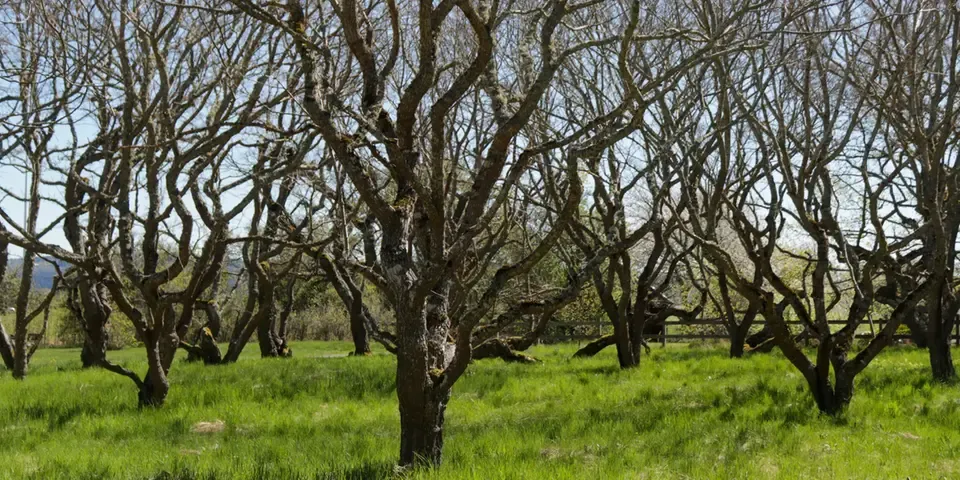
The mulberry plantation on Visingsö was an attempt to establish silk production in Sweden during the 17th and 18th centuries.
Planting mulberry trees allowed for the rearing of silkworms, whose cocoons provided raw silk for textile manufacturing. A single cocoon could yield a very long silk fibre, and relatively extensive production was achieved on Visingsö during certain periods.
The cultivation was born from the economic ideas of the Great Power era and the Age of Liberty, when the state sought to reduce its dependence on imported goods and strengthen domestic production. However, the work proved to be both labour-intensive and climate sensitive, which prevented silk cultivation becoming profitable in the long term.
Mulberry cultivation is an example of how those in power sought to control the economy, utilise natural resources and create new industries. It also provides a picture of how ideas about technology, trade and agriculture spread in Sweden during the early modern period.
Administrator: National Property Board of Sweden
Senast granskad/publicerad:
