The Russian Cemetery
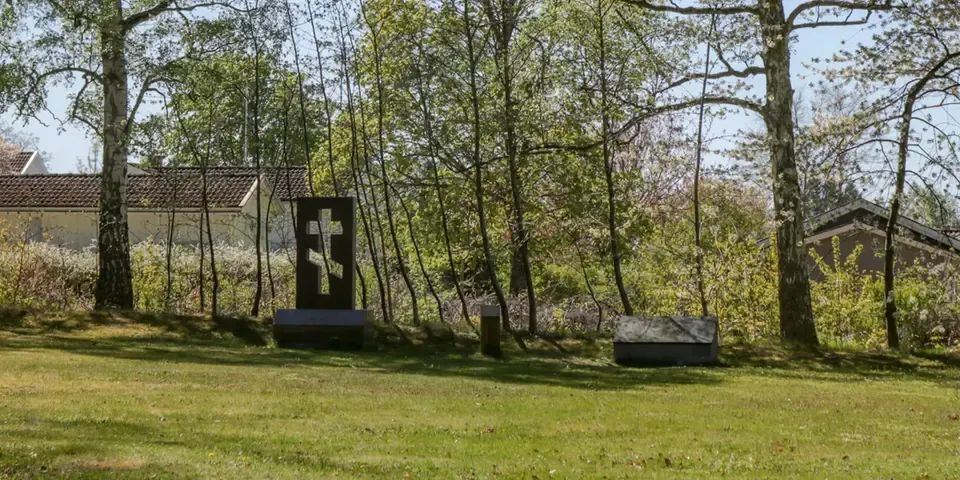
The Russian Cemetery on Visingsö dates back to the Great Northern War (1700–1721), a period when forays by Russian troops caused widespread destruction along Sweden’s east coast.
Between 1719 and 1721, many Russian soldiers died as a result of fighting, disease and the hardships of transport. Thousands of them were buried in the area, eventually giving the site its name.
Visingsö escaped direct attacks relatively unscathed. Lake Vättern served as a natural protective barrier, and Visingsborg Castle was a source of great military power. Despite this, the Russian Cemetery serves as a reminder of the consequences of war and its human cost – including for enemy soldiers.
The site is a historical example of how war, the end of the Great Power era and Sweden’s weakening in the early 18th century affected both people and the landscape. Today, the Russian Cemetery serves as a memorial to a violent period in Swedish history and offers an opportunity to reflect on the consequences of war from both a human and historical perspective.
Administrator: National Property Board of Sweden
Senast granskad/publicerad:
